











By: Ariella Haviv
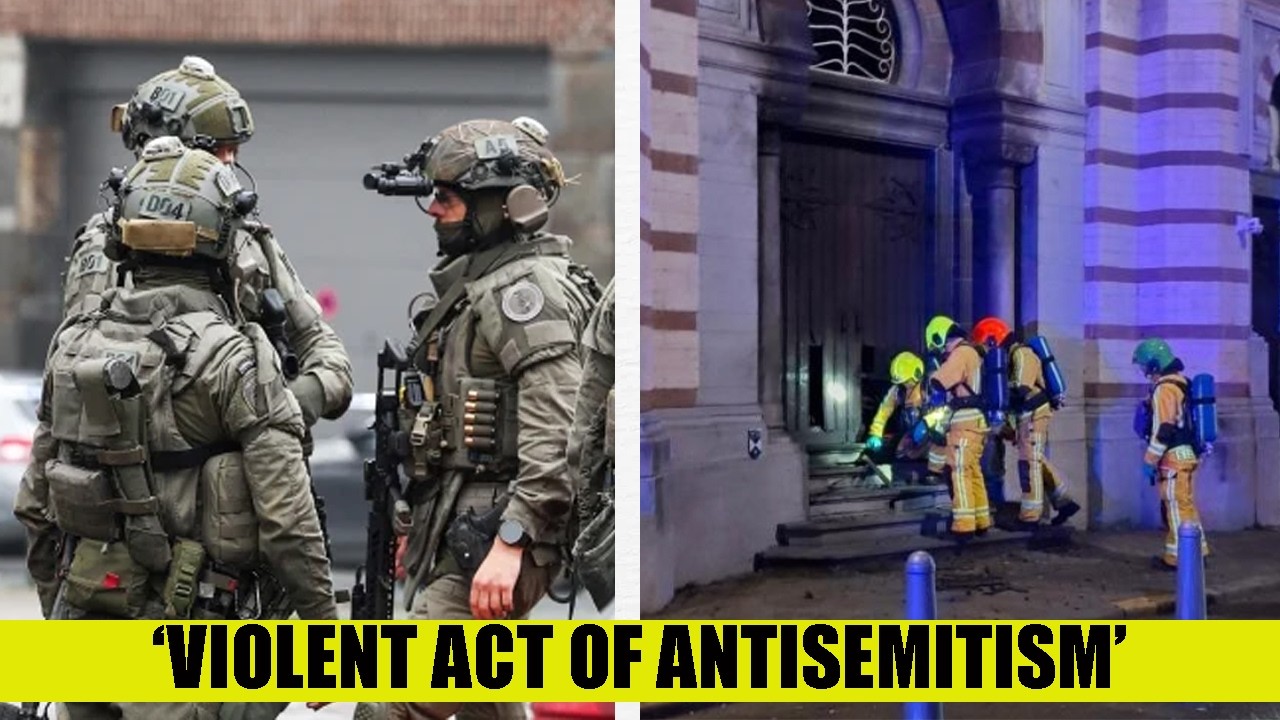
Toronto’s Jewish community is grappling with fear, anger, and deepening anxiety after three synagogues were struck by gunfire in less than a week—an alarming sequence of incidents that has prompted widespread condemnation from political leaders, religious organizations, and law enforcement officials across Canada. The attacks, which targeted places of worship in the Greater Toronto Area, have intensified concerns that antisemitic intimidation is escalating into increasingly dangerous acts of violence.
According to report on Saturday by Halifax CityNews, police are now investigating two additional shootings that occurred early Saturday morning after a synagogue in Toronto’s north end was similarly targeted earlier in the week. The incidents have left Jewish residents shaken and have triggered calls for urgent action to protect religious institutions and confront rising antisemitism across the country.
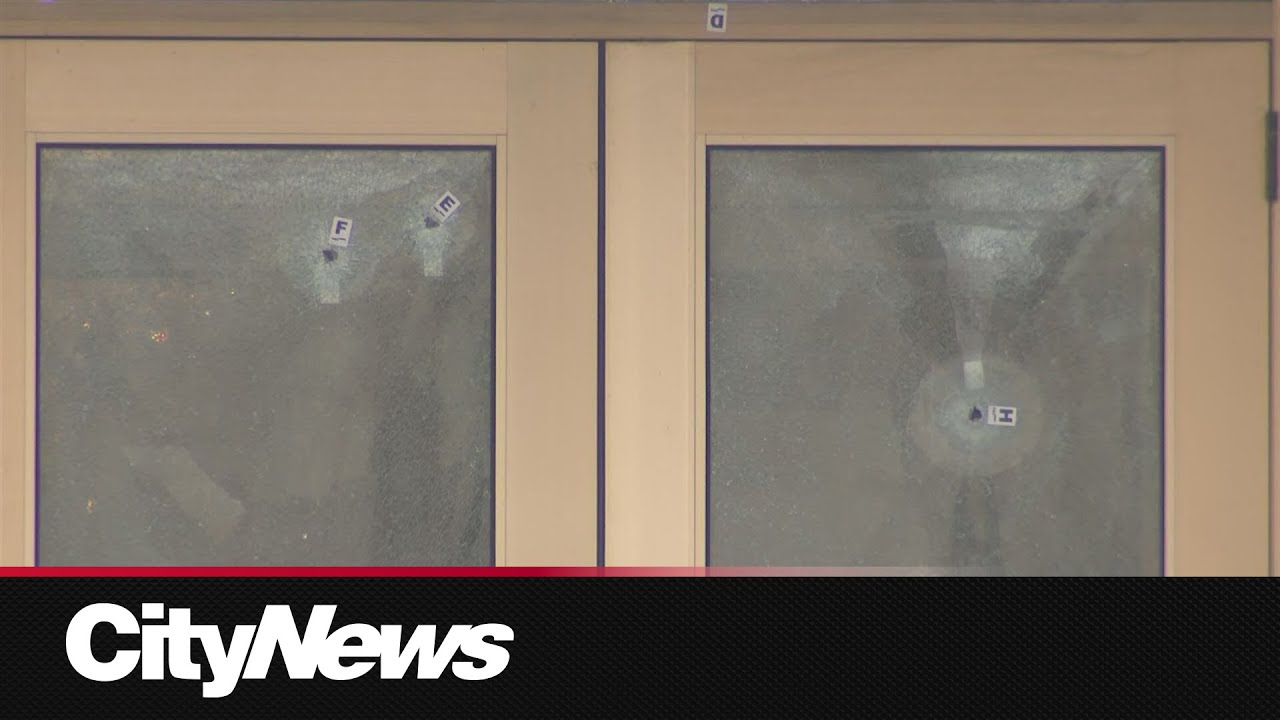
The most recent shooting occurred shortly after midnight Saturday when Toronto police responded to reports of gunfire near the intersection of Bathurst Street and Glencairn Avenue, a neighborhood known for its vibrant Jewish community. Officers arriving at the scene discovered bullet holes in the doors of the Shaarei Shomayim synagogue, one of the city’s most prominent congregations. Despite the frightening circumstances, no injuries were reported.
Authorities said the attack appeared to have been deliberate. As Halifax CityNews reported, investigators recovered evidence of gunfire directed at the synagogue’s entrance, raising concerns that the building itself was the intended target rather than a random location struck by stray bullets.
Just hours earlier, a second synagogue in the nearby municipality of Thornhill had also been targeted in a similar incident. York Region Police were called to the Beth Avraham Yoseph of Toronto synagogue after reports that gunshots had been fired at the building.
Deputy Chief Kevin McCloskey of the York Region Police told reporters that an unknown number of suspects arrived at the synagogue in a dark-colored sedan before opening fire on the structure. At the time of the shooting, people were inside the building attending activities at the place of worship.
“It’s extremely fortunate that no one was struck,” McCloskey said in comments cited by Halifax CityNews, noting that the presence of congregants inside the synagogue at the time made the attack especially alarming.
These two incidents followed another shooting earlier in the week that targeted Temple Emanu-El in Toronto’s northern district. Police responding to that Monday night attack discovered bullet casings and damage to the synagogue’s exterior. The three incidents occurring within a matter of days have created a climate of fear among Jewish residents across the metropolitan region.
Sara Lefton, a representative of the United Jewish Appeal Federation of Greater Toronto, described the emotional toll the attacks have taken on the community. In remarks reported by Halifax CityNews, she said the shootings have left many people deeply shaken.
“We are shaken to our core,” Lefton said during an interview. “And I think we’re incredibly angry and frustrated, because we’ve seen the progression of this kind of intimidation and hatred over the last few years.”
Lefton warned that escalating rhetoric and hostility toward Jews can easily evolve into physical violence if left unchecked. She noted that similar patterns have emerged in other parts of the world, where antisemitic rhetoric has preceded deadly attacks.
“Hateful words turn into hateful actions,” she said, referencing a recent tragedy in Bondi Beach, Australia, where a Hanukkah celebration was targeted in a shooting that left 15 people dead. As Halifax CityNews reported, Lefton cautioned that ignoring warning signs could allow such violence to spread further.
“We’ve seen it elsewhere,” she added. “And we should not be surprised when it happens here.”
The series of shootings has drawn sharp condemnation from Canada’s political leadership at both the federal and provincial levels. Prime Minister Mark Carney vowed that the government would deploy every available resource to help identify those responsible and bring them to justice.
“These criminal antisemitic attacks are an assault on the rights of Jewish Canadians to live and pray in safety,” Carney wrote in a statement shared on social media. “They are also fundamental violations of the Canadian way of life.”
Carney said federal agencies, including the Royal Canadian Mounted Police, would assist local authorities in investigating the incidents.
Israel’s ambassador to Canada, Iddo Moed, also expressed deep concern about the attacks, describing them as cowardly assaults on religious freedom and human dignity.
“These cowardly assaults on houses of worship are abhorrent acts of violence that strike at the heart of our shared values—safety, dignity, and freedom of religion,” Moed said in remarks cited by Halifax CityNews.
The shootings have also sparked political debate about how Canada should respond to rising antisemitism. Conservative Party leader Pierre Poilievre issued a strongly worded statement urging the government to take decisive action to protect Jewish citizens.
“The Jewish community is under attack in Canada,” Poilievre wrote in a message highlighted by Halifax CityNews. “Government’s core responsibility is the safety of its people. It is time to end this violence once and for all.”
Local leaders echoed those sentiments. Toronto Mayor Olivia Chow condemned the attacks in forceful terms, calling them “disgusting acts of antisemitism, hate and intimidation.”
Similarly, Ontario Premier Doug Ford pledged that provincial authorities would continue working closely with police agencies to ensure the protection of religious institutions.
“Our government will continue working closely with police to ensure that places of worship are protected and those responsible are held accountable,” Ford said. “Antisemitism has no place in Ontario.”
Law enforcement agencies are now working in coordination to determine whether the three shootings are connected. Investigators from the Toronto Police Service and York Region Police are sharing information as they attempt to identify potential suspects.
Deputy Chief McCloskey emphasized that while investigators are exploring possible links between the incidents, it remains too early to conclude that the same perpetrators were responsible.
“At this point, there’s no evidence to suggest the two events are related,” McCloskey said, though he acknowledged that authorities are considering the possibility that the shootings may have been carried out by the same individual or group.
The attacks come amid a broader rise in antisemitic incidents across Canada, a trend that has been documented by community organizations and law enforcement agencies alike. Jewish leaders say that while antisemitic vandalism and harassment have become increasingly common, the use of firearms against places of worship represents a particularly dangerous escalation.
For many members of Toronto’s Jewish community, the shootings have transformed what were once considered safe and familiar spaces into potential targets. Synagogues, schools, and community centers have long served as focal points of Jewish life in the city, making the recent attacks deeply unsettling.
Community organizations are now urging authorities to increase security around Jewish institutions, including enhanced police patrols and expanded surveillance measures.
As the investigations continue, Jewish leaders say the broader challenge will be confronting the climate of hostility that has allowed such incidents to occur. While the perpetrators of the synagogue shootings have not yet been identified, the impact of their actions has already reverberated across the country.
For Toronto’s Jewish residents, the attacks represent more than isolated acts of vandalism—they are stark reminders of the vulnerabilities faced by minority communities even in societies that pride themselves on tolerance and diversity.
As Halifax CityNews has reported, authorities remain determined to find those responsible and ensure that the violence does not go unanswered. Yet for many in the community, the deeper question remains how to prevent such hatred from taking root in the first place.