









By: Fern Sidman
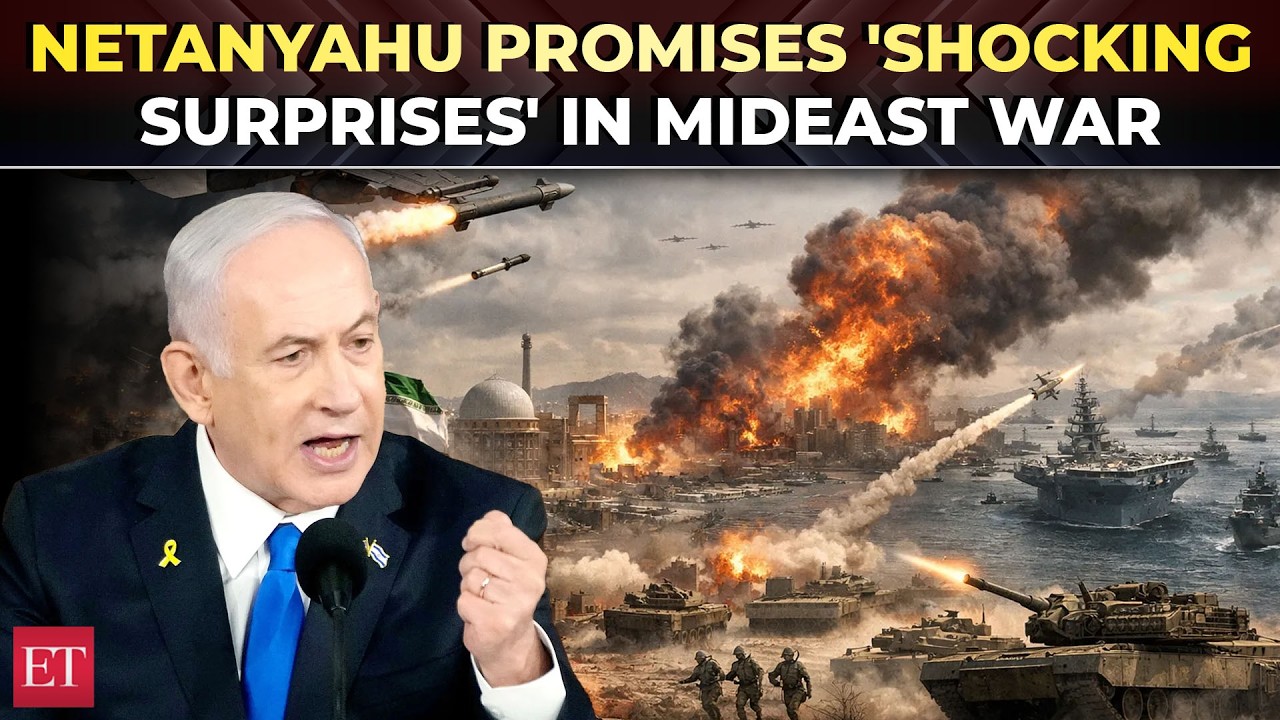
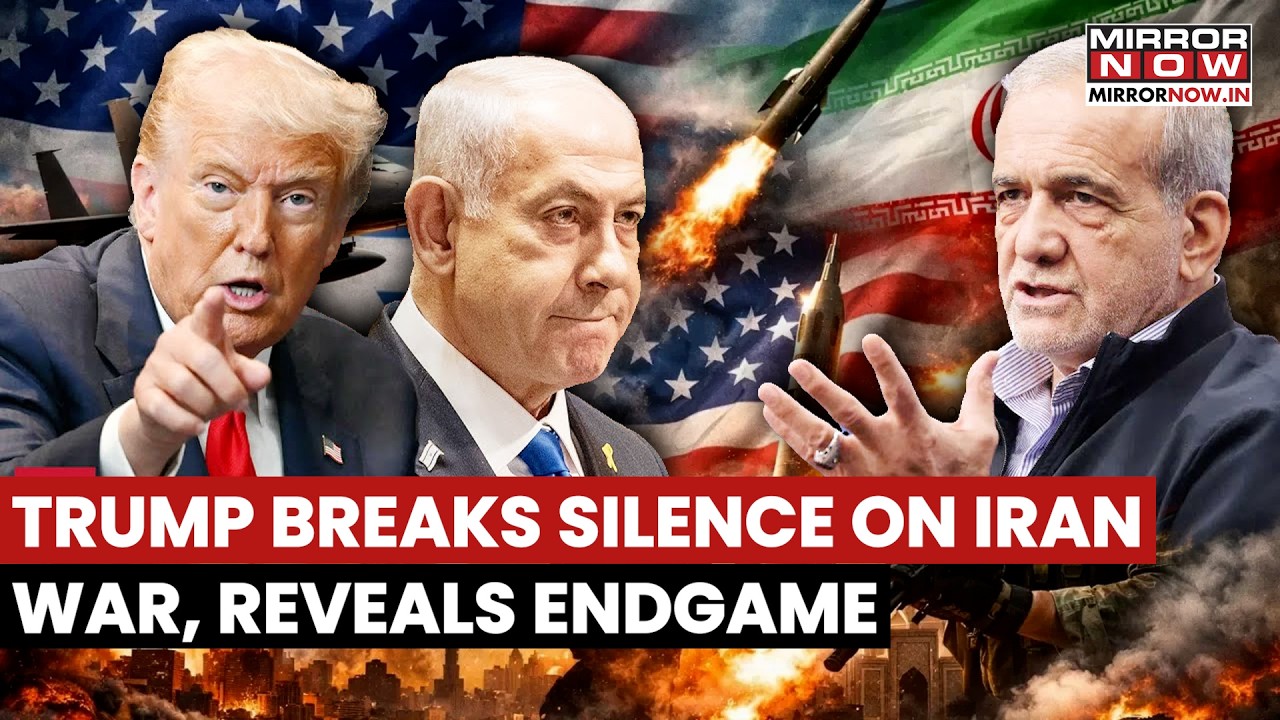
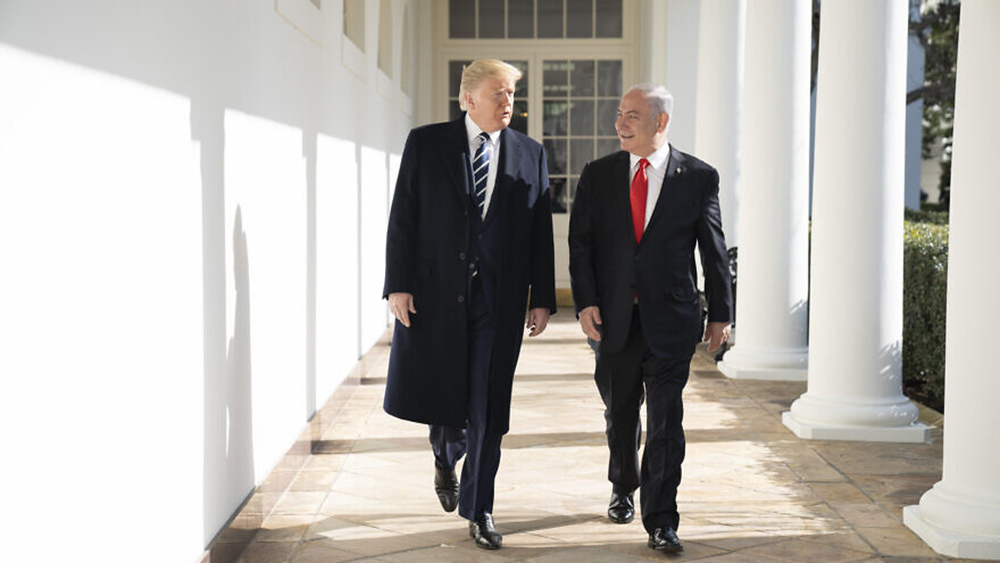
A widening political and strategic rift has emerged between President Donald Trump and Israeli Prime Minister Benjamin Netanyahu, according to a revealing report that appeared on Israel Hayom. Tensions, once considered mere disagreements between long-time allies, have now evolved into a full-blown breakdown in diplomatic coordination — with sources in President Trump’s inner circle confirming that he is “deeply disappointed” with Netanyahu’s leadership and increasingly unwilling to wait for Israel’s cooperation on key regional initiatives.
As Israel Hayom reported on Thursday, two senior figures close to President Trump disclosed that the prime minister and current president have made a strategic decision: to proceed with critical diplomatic actions in the Middle East — particularly with Gulf states such as Saudi Arabia — without waiting for Israeli involvement. This decision, they emphasized, stems from Trump’s growing frustration with what he sees as Netanyahu’s political hesitancy and failure to take timely steps to support normalization and broader strategic objectives.
“Trump believes Netanyahu is dragging his feet,” one source told Israel Hayom. “The president wants to move forward to secure American interests and is no longer willing to let internal Israeli politics dictate the pace.”
This marks a dramatic shift in Trump’s Middle East policy playbook. During his first term, Trump was widely credited with brokering the historic Abraham Accords — establishing peace agreements between Israel and several Arab nations including the United Arab Emirates, Bahrain, and Morocco. At the time, Netanyahu was a central partner in these breakthroughs. Today, that relationship appears to have soured significantly.
At the core of this diplomatic divergence lies the stalled normalization agreement between Israel and Saudi Arabia — a milestone that Trump has long hoped to deliver. According to the information provided in the Israel Hayom report, Saudi leaders have made clear that any agreement would be contingent upon an end to the war in Gaza and some Israeli gesture toward establishing a Palestinian state, or at the very least, the creation of a diplomatic “horizon” for the Palestinian people.
This demand has placed Netanyahu in an impossible political bind. Domestically, there is staunch resistance to any suggestion of a Palestinian state. Key members of Netanyahu’s coalition and the Israeli electorate view such proposals as a betrayal of national interests. Minister Ron Dermer, who has been deeply involved in crafting potential language that might satisfy Saudi conditions without explicitly endorsing a two-state solution, has reportedly spent weeks searching for formulations palatable to both sides — so far, to no avail.
From Trump’s vantage point, Netanyahu’s inability to deliver a commitment or even a working framework has become a liability. As a result, Trump is said to be pushing ahead with U.S.-Saudi cooperation and a broader strategic vision — with or without Israel, as was indicated in the Israel Hayom report.
Further compounding the discord is the fallout over Netanyahu’s reported efforts to influence U.S. National Security Advisor Mike Waltz on military actions against Iran. According to the information contained in the Israel Hayom report, Trump was enraged upon learning that Netanyahu or his aides may have exerted pressure on Waltz to advance a more aggressive military posture toward Tehran.
Although Netanyahu has insisted that he only spoke with Waltz once, Trump reportedly remains unconvinced — a factor which may have contributed to Waltz’s dismissal from his position and deepened the mistrust between the two leaders.
“The president does not appreciate backchannel pressure,” a source told Israel Hayom. “He felt Netanyahu crossed a line, and that’s not easily forgiven.”
One of the clearest signs of this diplomatic unraveling came last week when the White House announced a ceasefire agreement with the Houthis in Yemen — an arrangement that, as Israel Hayom noted, included indirect implications for Israeli regional security. Yet Israeli officials were neither consulted nor briefed for a full 24 hours after the announcement. Even now, Israeli representatives continue to report a lack of access to updated information from their American counterparts.
To underscore this shift, the Israel Hayom report confirmed that President Trump will not include Israel in his upcoming regional tour, despite visiting multiple Middle Eastern capitals, including Riyadh.
In response to growing signals of strategic distance from Washington, Prime Minister Netanyahu and Defense Minister Israel Katz have begun publicly signaling that Israel is prepared to face regional threats without U.S. support. In response to questions regarding the Houthi threat and Israel’s defensive posture, Netanyahu told his spokesman, “The rule I have established is that Israel will defend itself by its own forces.”
Defense Minister Katz echoed this sentiment, stating Thursday morning: “Israel must be able to defend itself by its own forces against any threat and any enemy. This was true facing many challenges in the past, and will also be true in the future.”
These remarks, Israel Hayom noted, reflect an increasing awareness within Israeli leadership that American backing — long a cornerstone of Israeli defense strategy — may not be a given in the months ahead.
While some analysts have suggested that this may be a temporary cooling of relations, the depth of President Trump’s discontent, as reported by Israel Hayom, suggests something far more consequential. The partnership that once reshaped the Middle East through the Abraham Accords now faces serious fractures. With the U.S. pursuing independent pathways to regional stability and Israeli leaders signaling a readiness to operate without Washington’s support, a strategic divorce may be underway.
As both sides brace for the fallout, what was once an alliance grounded in mutual admiration and aligned interests now appears marked by growing mistrust, miscommunication, and competing visions for the future of the Middle East.