









Trump Admin Officials Reportedly Fume Over Netanyahu’s Regional Strikes, Warning of Risks to U.S. Middle East Strategy
By: Fern Sidman
A recent report has revealed significant behind-the-scenes tension between the Trump administration and Israeli Prime Minister Benjamin Netanyahu over Israel’s military activities in the Middle East. According to a report that appeared on Sunday at World Israel News, senior U.S. officials within President Trump’s inner circle have expressed private outrage at what they perceive as reckless actions by the Israeli leader — actions they fear could jeopardize President Trump’s carefully calibrated foreign policy in the region.
The rift, as highlighted in the World Israel News report intensified following Israeli airstrikes in Syria last week. Among the targets was a Syrian envoy dispatched to mediate a violent conflict between Bedouin tribes and the Druze minority in the southern Syrian city of Suwayda. Despite explicit calls from Washington urging Israel to exercise restraint, Netanyahu’s government proceeded with the strikes, fueling frustration among Trump’s top advisers.
In a report that has captured international attention, World Israel News cited remarks from unnamed White House officials who described Netanyahu’s behavior in particularly harsh terms. “Bibi acted like a madman. He bombs everything all the time,” one official told reporters, adding that such actions risk undermining Trump’s regional strategy — a strategy that has sought, during the president’s second term, to reduce U.S. military involvement in foreign conflicts and stabilize relationships with long-time adversaries.
Central to Trump’s Middle East policy has been an effort to rebuild diplomatic ties with Syria’s new leader, Ahmed al-Sharaa. This approach marks a shift in U.S. posture, given al-Sharaa’s controversial history, including past links to terrorist organizations like al-Qaeda. Nevertheless, the Trump administration has calculated that fostering a working relationship with al-Sharaa could be a critical element in reducing tensions in the region and preventing further U.S. entanglements.
However, Israeli military operations have complicated those diplomatic overtures. Secretary of State Marco Rubio, in remarks referenced by World Israel News, warned that Syria was “weeks away from potential collapse and a full-scale civil war of epic proportions” — a prospect made more likely, some fear, by continued Israeli strikes.
The Trump administration’s special envoy for Syria, Tom Barrack, reportedly made direct appeals to Israeli officials urging them to halt their bombing campaigns. Israel temporarily paused its operations, only to resume strikes shortly thereafter — including attacks on targets perilously close to the Syrian presidential palace.
Despite Syrian President al-Sharaa’s decision not to retaliate against Israel, other key U.S. allies in the region — notably Turkey and Saudi Arabia — voiced sharp complaints to Washington over Israel’s aggressive posture. According to the information provided in the World Israel News report, these diplomatic protests have further strained the administration’s efforts to maintain a fragile regional balance.
The tensions come on the heels of Netanyahu’s recent visit to Washington, a trip that included a warm reception at the White House and Netanyahu’s public announcement of his intention to nominate President Trump for the Nobel Peace Prize. Yet, even that display of camaraderie could not conceal the undercurrent of dissatisfaction simmering within the Trump administration.
Some administration insiders, speaking on background to reporters and cited by World Israel News, have suggested that Netanyahu’s military aggressiveness is at least partially motivated by his own domestic political considerations. “The Israelis need to get their head out of their asses,” one official bluntly remarked.
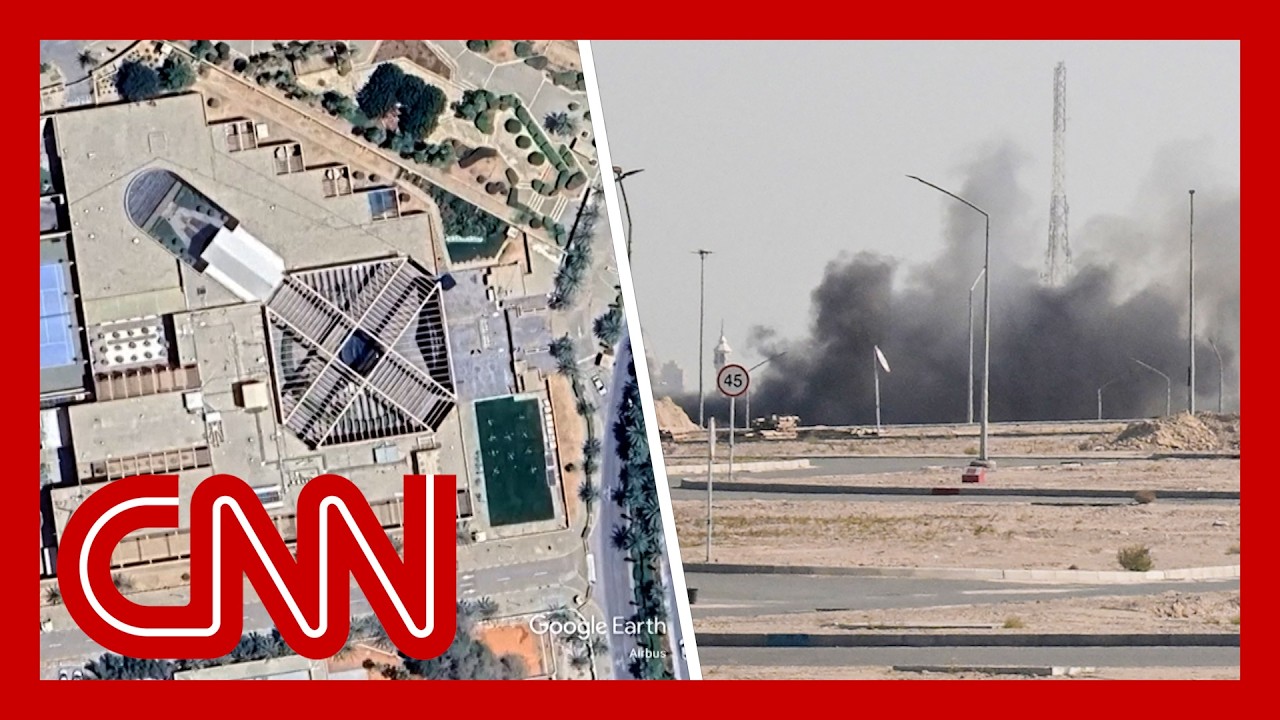
Adding to the friction was an incident in Gaza that further complicated U.S.-Israel relations. Israeli shelling reportedly struck Gaza’s only Catholic church, an attack that left three civilians dead and ten injured. The aftermath of the strike, reported by World Israel News, saw President Trump personally calling Netanyahu to demand an explanation. Israel subsequently issued a public expression of regret, though sources close to the administration described the episode as emblematic of a troubling pattern of behavior.
“The feeling is that every day there is something new. What the f—k?” one exasperated official reportedly told reporters, according to the information in the World Israel News report. Another official, in comments similarly cited by the news outlet, likened Netanyahu’s approach to that of “a child who just won’t behave.”
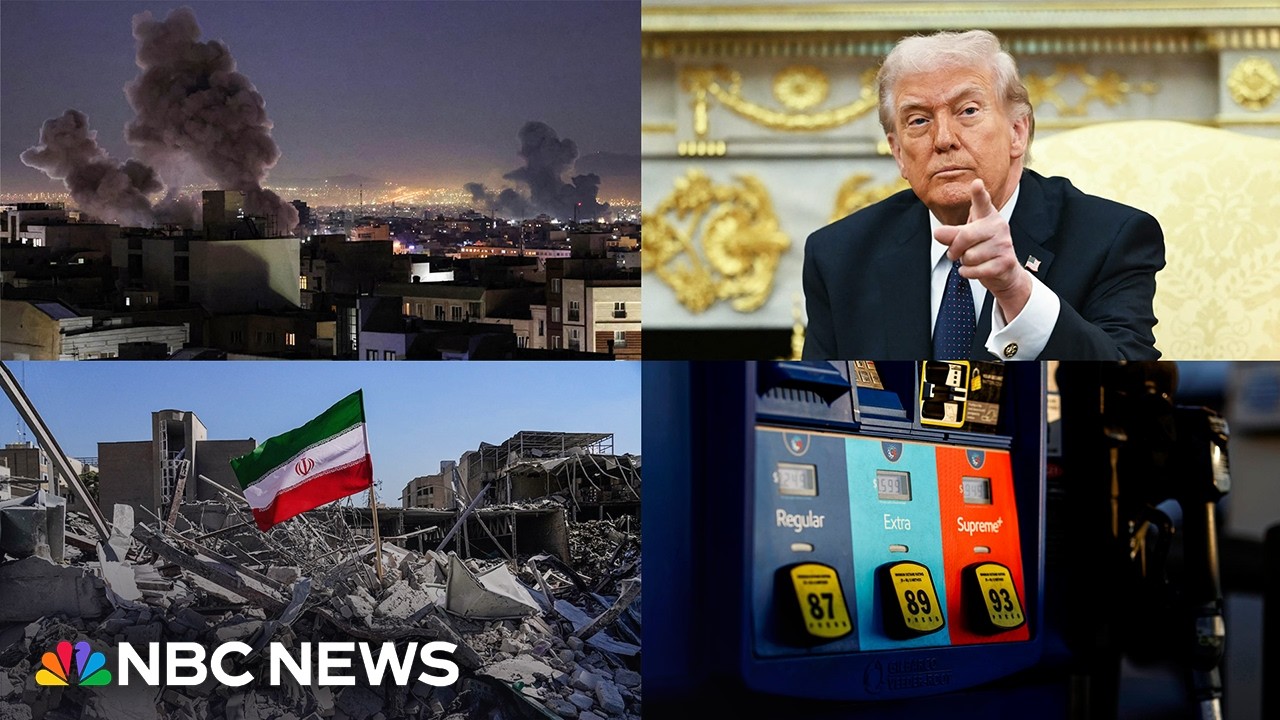
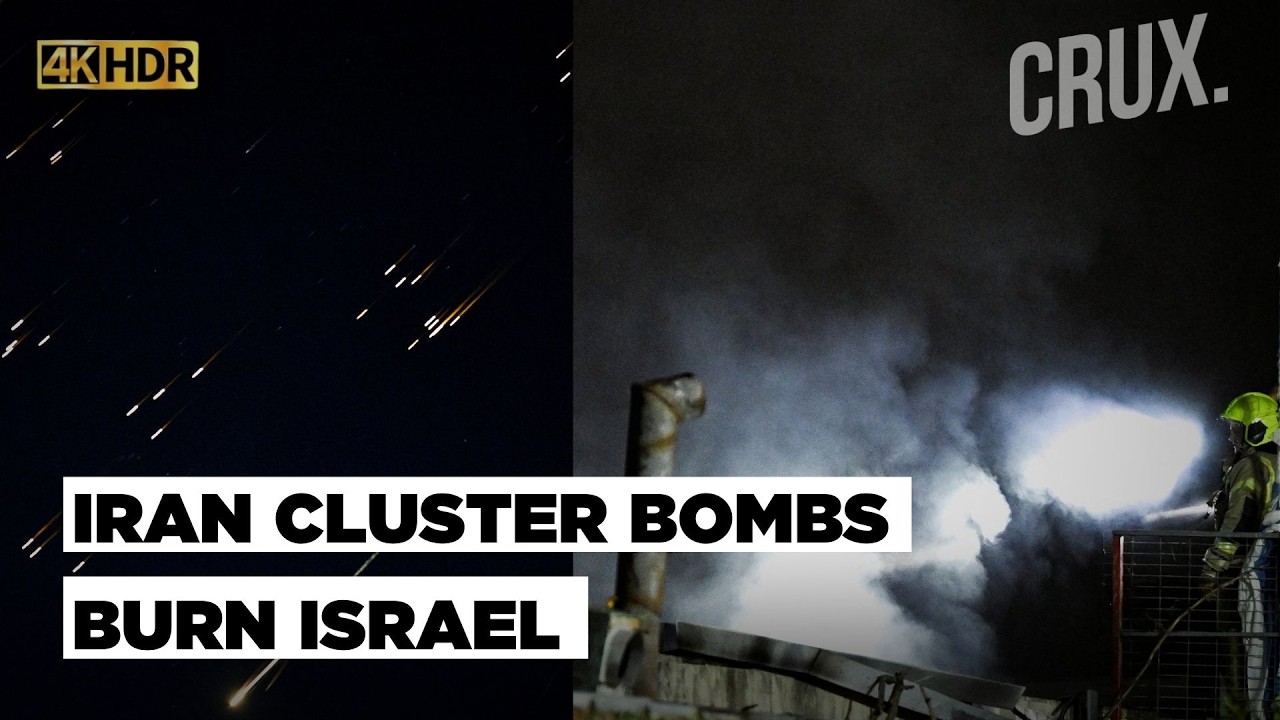
Perhaps most notably, the rift extends beyond the Syrian conflict. Israeli airstrikes on Iranian targets last month occurred at a particularly delicate moment — during sensitive U.S. negotiations with Tehran. These strikes not only blindsided American diplomats but also risked derailing a fragile diplomatic dialogue.
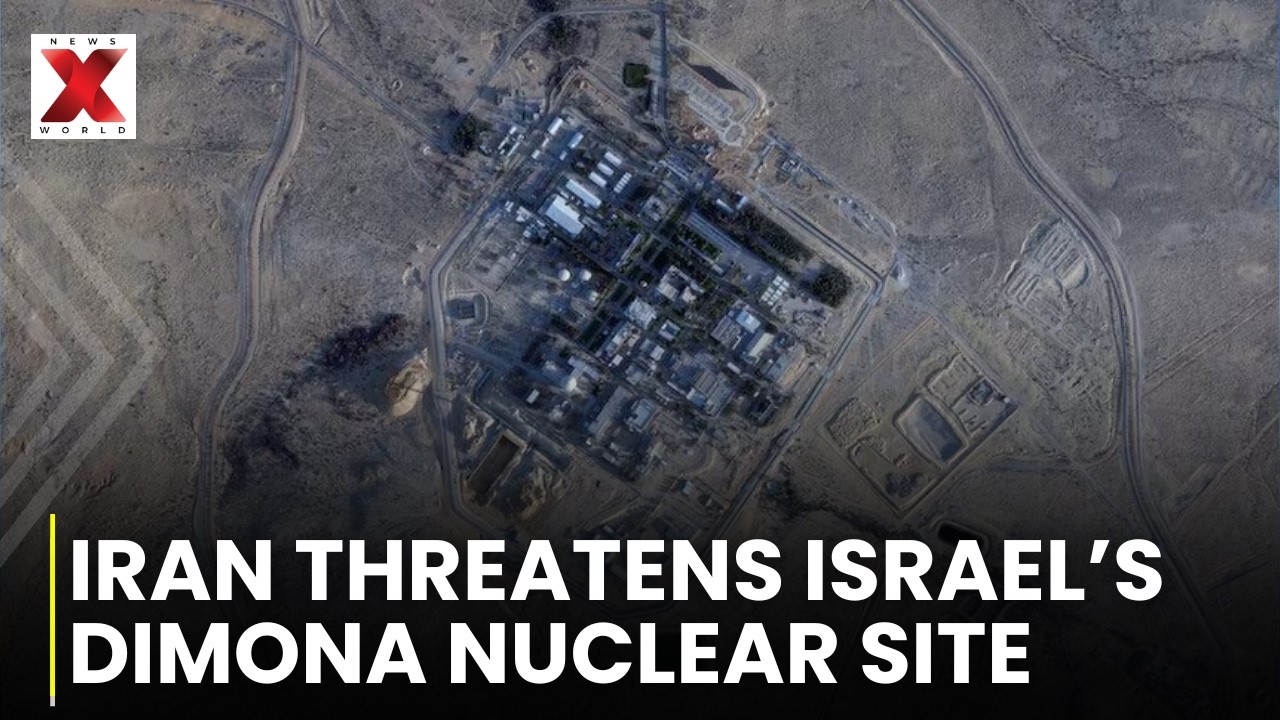
Though President Trump initially expressed discomfort with the Israeli action, he subsequently authorized U.S. bunker buster strikes on Iranian nuclear facilities himself. This decision underscored the complicated interplay between Trump’s personal instincts, strategic calculations, and Netanyahu’s aggressive posture in the region.
The relationship between Washington and Jerusalem has weathered similar tensions under previous administrations, including those of Barack Obama and Joe Biden. However, Trump has maintained publicly cordial relations with Netanyahu, even amid private grievances — a dynamic that sets this administration apart from its predecessors.
Historical context provided by World Israel News recalled key flashpoints in the U.S.-Israel relationship. Among them was Netanyahu’s public acknowledgment of Joe Biden’s 2020 presidential victory, a move that reportedly irked Trump and his inner circle. Another sensitive episode involved Netanyahu’s last-minute withdrawal from assisting in the U.S. operation targeting Iranian General Qassem Soleimani in early 2020 — an action that fueled speculation about Netanyahu’s reliability as a strategic partner.
Despite the mounting frustrations, the Trump administration has refrained from publicly rebuking Netanyahu. This restraint, according to officials quoted by the outlet, reflects a broader strategy of preserving the public image of unity between the United States and its most steadfast Middle East ally, even amid severe policy disagreements.
The significance of these private expressions of dissatisfaction lies in the potential implications for regional stability and the credibility of U.S. foreign policy. As the Trump administration continues its push for reduced American involvement in Middle Eastern conflicts, Israeli military actions that complicate or contradict those objectives remain a central concern within the White House.
Moreover, the report at World Israel News pointed out that while Netanyahu’s public embrace of Trump — including his Nobel Peace Prize endorsement — has drawn attention, it has done little to mitigate the deep-seated frustrations of Trump’s senior advisors. Behind closed doors, the administration remains wary of being dragged into regional conflicts by Israel’s unilateral military decisions.
The overarching message from administration sources, as reported by World Israel News, suggests that unless Israel aligns more closely with U.S. strategic objectives, the current tensions may escalate into a more pronounced diplomatic rift. For now, both Washington and Jerusalem appear intent on maintaining public solidarity, even as private conversations reflect a more complicated reality.