
















Edited by: TJVNews.com
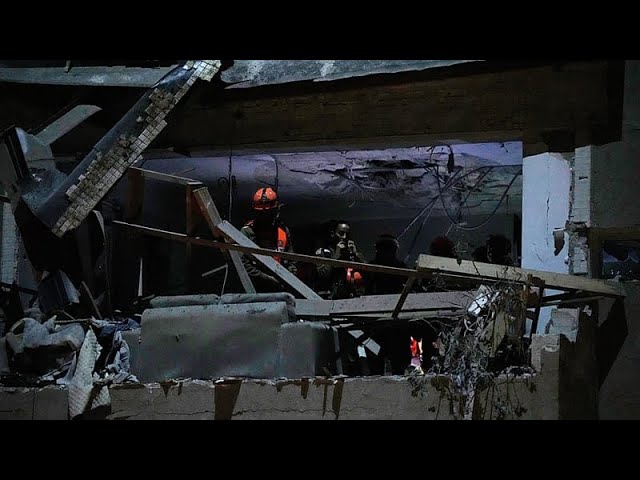
In a new development in the ongoing conflict in Gaza, Israeli officials have proposed a temporary truce lasting up to 50 days in exchange for the return of approximately half the remaining hostages still believed to be alive in the enclave. This proposal, reported by Reuters on Monday, reflects a strategic shift in Israel’s efforts to balance military pressure with diplomatic channels, even as preparations intensify for renewed combat operations in the south of Gaza.
According to Israeli officials who spoke to Reuters on condition of anonymity, the proposal envisions the release of around 12 of the 24 hostages still presumed alive, as well as the return of remains of roughly half the 35 hostages believed to have died in captivity. The suggested truce period would last between 40 and 50 days, during which negotiations would continue but without a comprehensive resolution to the broader war that has devastated Gaza since October 2023.
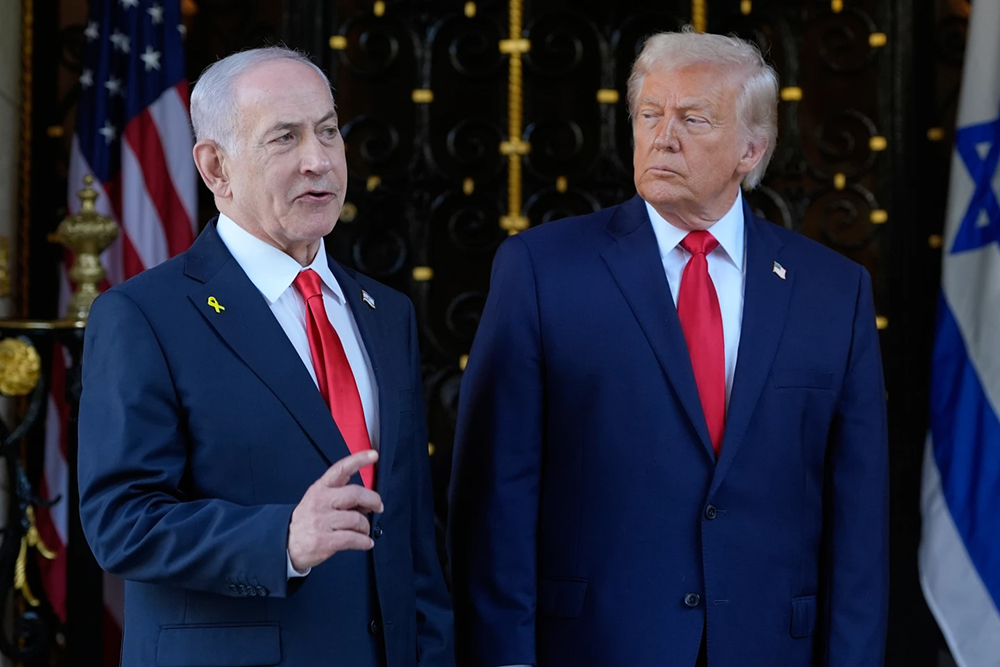
Israeli Prime Minister Benjamin Netanyahu affirmed that Israel remains committed to increasing pressure on Hamas, even as negotiations proceed. In comments cited by Reuters, Netanyahu reiterated that “negotiations will continue under fire,” emphasizing that sustained military action is the most effective strategy for securing the return of hostages.
Netanyahu also repeated longstanding Israeli demands for Hamas to disarm — a position categorically rejected by the Iranian-backed terrorist organization, which told Reuters such a condition represents a “red line.”
In what could prove to be a deeply contentious element of any postwar arrangement, Netanyahu stated that under a broader settlement, Hamas leaders would be allowed to leave Gaza. This proposal includes a revival of President Trump’s plan for the “voluntary emigration” of Palestinians from Gaza — a concept widely criticized as a form of forced displacement under another name.
As reported by Reuters, on Monday the Israeli military issued new evacuation orders for residents in the southern city of Rafah, instructing civilians to relocate to the coastal area of Al Mawasi. The military’s Arabic-language spokesperson declared that the IDF (Israel Defense Forces) is preparing for “intense operations to dismantle the capabilities of the terrorist organizations in these areas.”
Meanwhile, Hamas announced over the weekend that it had accepted a new proposal put forward by Qatari and Egyptian mediators. According to the information in the Reuters report, security sources said this plan would involve the release of five hostages per week in exchange for a sustained ceasefire. The Israeli response to this offer remains uncertain, though it coincides with the broader Israeli proposal reported on Monday.
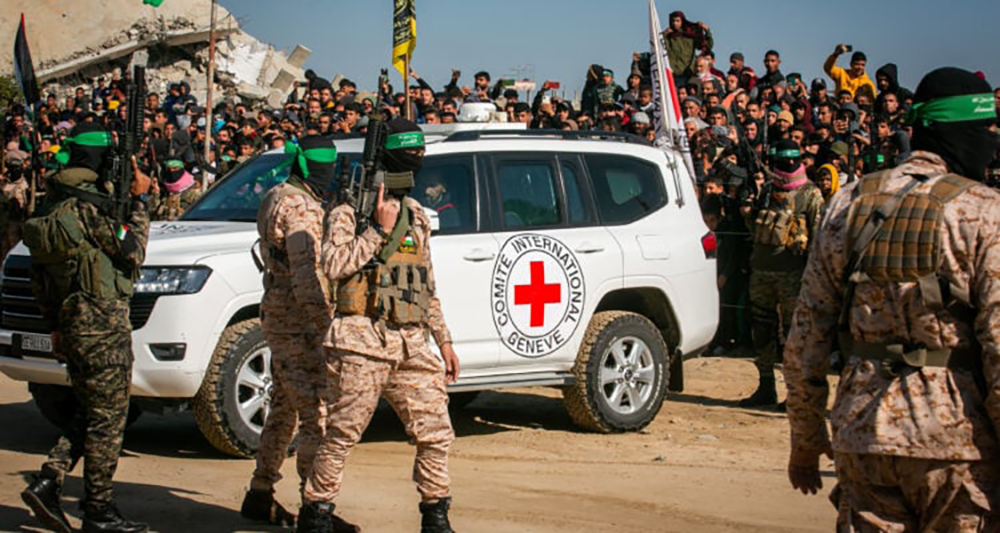
A previous ceasefire, brokered in part by the United States, temporarily halted hostilities in late 2023 and led to the release of 33 Israeli hostages and five Thai nationals in exchange for the release of approximately 2,000 Palestinian prisoners. However, since the resumption of Israeli military operations on March 18, progress toward implementing a second phase of the truce agreement — also backed by Washington — has stagnated, with deep divisions persisting over the political and security architecture of postwar Gaza.
One of the central stumbling blocks remains the question of who will govern Gaza after the war. Israel has demanded the total dismantling of Hamas’ military and governmental infrastructure, asserting that Hamas — which has ruled Gaza since 2007 — must have no role in the territory’s future governance.