













Israel Poised for Possible Strike on Iranian Nuclear Sites Amid Tense US Diplomacy
By: Fern Sidman
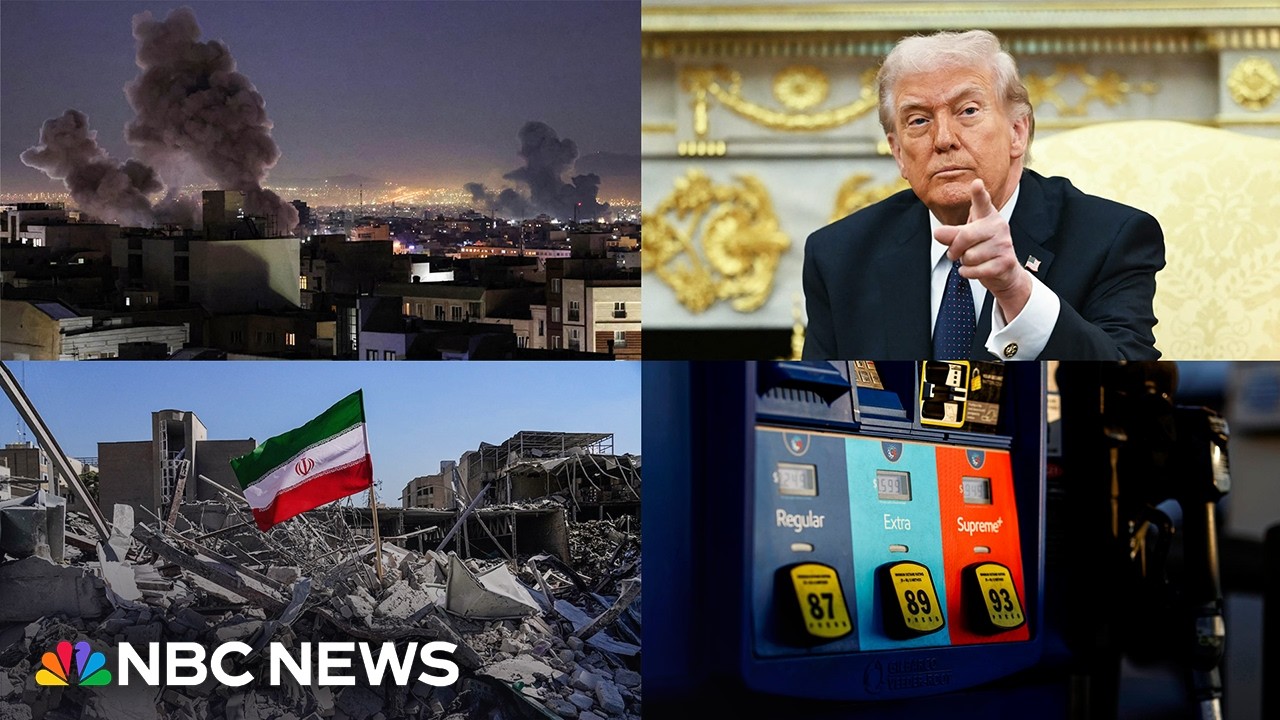
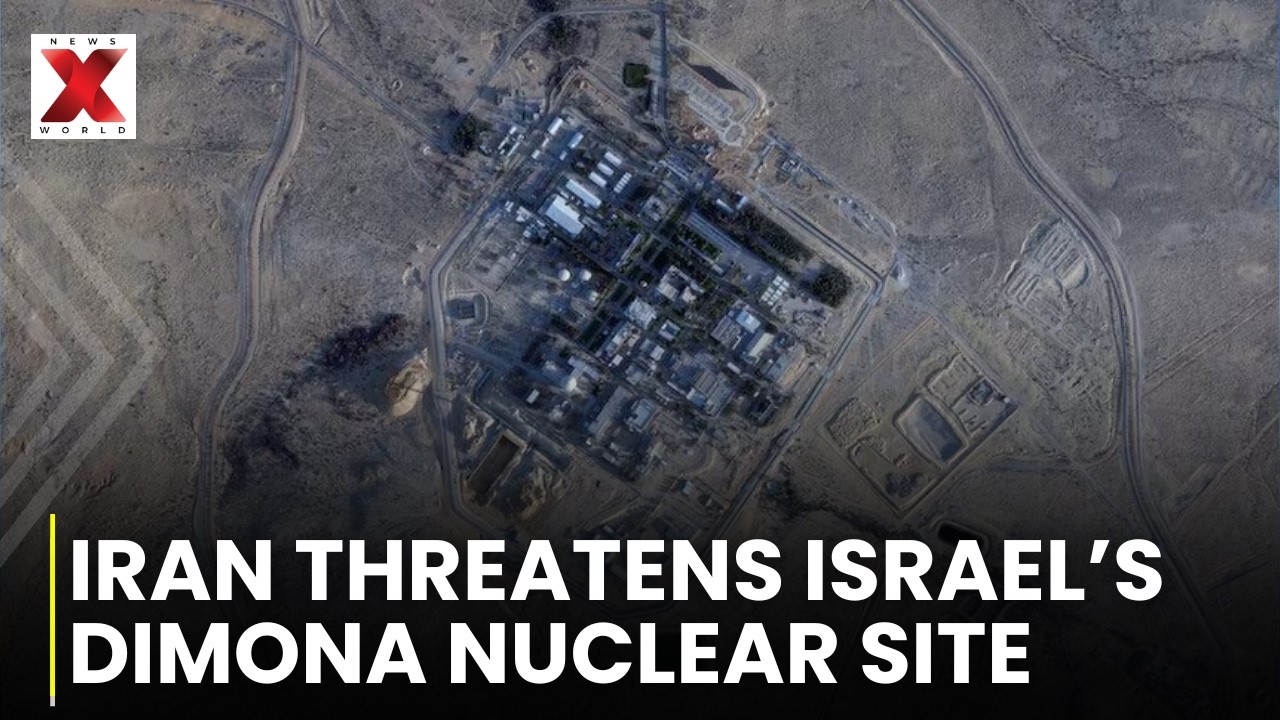
The United States has gathered fresh intelligence indicating that Israel is actively preparing for a potential military strike against Iranian nuclear facilities, according to multiple American officials who spoke with CNN. These revelations, which come at a moment of fragile diplomatic engagement between Washington and Tehran, underscore the deepening tensions surrounding Iran’s nuclear ambitions and the limits of the current diplomatic track being pursued by the Trump administration.
Sources tell CNN that while a final decision by Israeli leadership has not yet been made, the probability of a strike has “increased significantly” in recent months, spurred in large part by concern over a potential U.S.-Iran deal that may not meet Israel’s stringent security requirements.
“The chance of an Israeli strike on an Iranian nuclear facility has gone up significantly in recent months,” one official familiar with U.S. intelligence assessments told CNN.
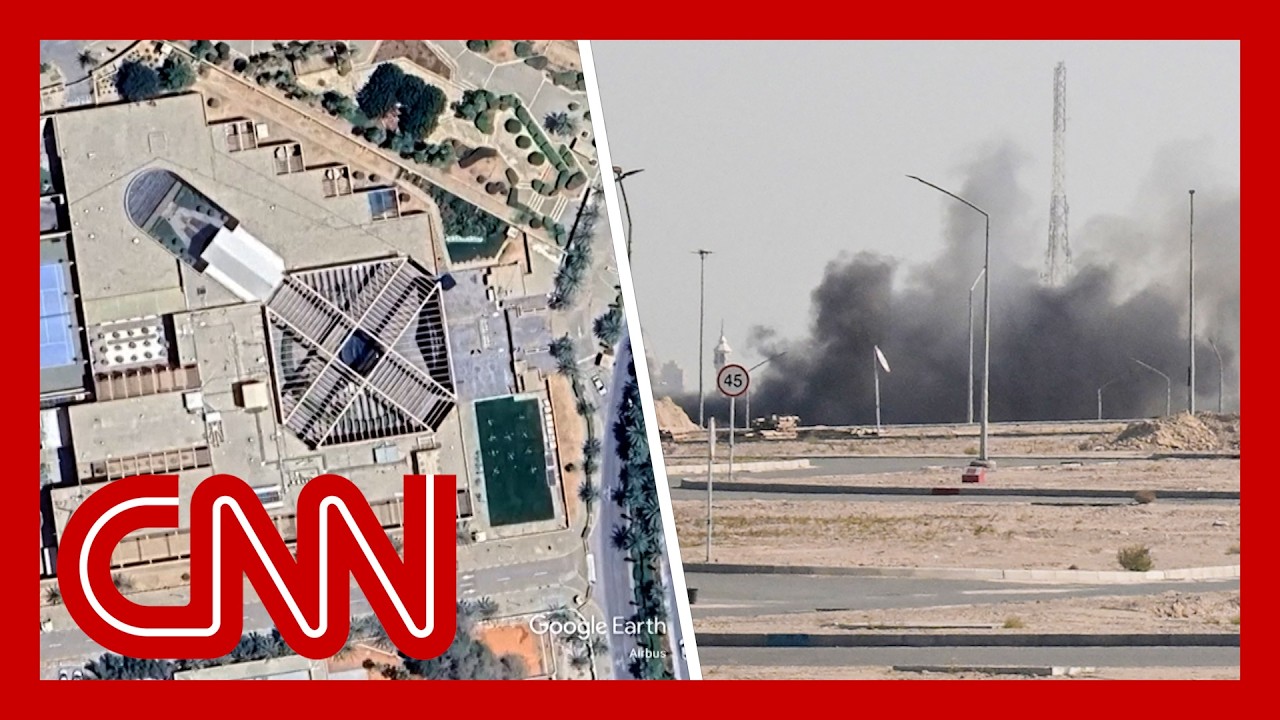
According to the report that appeared on Tuesday at CNN, the U.S. intelligence community has intercepted Israeli military communications and observed movement of air munitions, as well as the completion of air force exercises that strongly resemble attack scenarios against hardened targets. These developments have led some officials to conclude that Israel may be closer than ever to acting unilaterally against Iran’s nuclear infrastructure.
However, other analysts within the U.S. government caution that the observed indicators could be strategic posturing designed to pressure Iran — or even Washington — into hardening their stance in negotiations. Still, the intelligence is being taken seriously enough for the U.S. to increase its surveillance and readiness, should Israel move forward.
“These kinds of military movements and exercises are not undertaken lightly,” one U.S. official told CNN, adding that intelligence agencies have begun contingency planning in the event that Israel acts independently.
The backdrop to this intelligence is the Trump administration’s renewed diplomatic push with Tehran to limit uranium enrichment and dismantle critical portions of its nuclear program. Special envoy Steve Witkoff told ABC News that the U.S. “cannot allow even 1% of an enrichment capability,” reiterating the administration’s hardline stance.
President Trump, according to CNN, sent a direct letter to Supreme Leader Ayatollah Ali Khamenei in March, giving Iran 60 days to reach a deal or risk military consequences. That deadline has passed with no agreement in place, and negotiations remain stalled on the fundamental issue of uranium enrichment.
Khamenei responded defiantly this week, telling Iranian media that he does not believe the negotiations will lead to a resolution, and condemned the U.S. demand that Iran abandon enrichment altogether as “a big mistake.”
“Iran insists it has the right to enrich uranium under the Non-Proliferation Treaty and will not relinquish that right,” CNN reported.
Meanwhile, another round of nuclear talks is tentatively scheduled to occur in Europe this week, facilitated by Oman, but no final U.S. offer has yet received Trump’s personal endorsement, further complicating the already sluggish pace of progress.
According to the information provided in the CNN report, Israeli Prime Minister Benjamin Netanyahu is navigating a delicate balance: avoiding a rupture with the U.S. while remaining faithful to Israel’s longstanding doctrine that only military action can prevent Iran from acquiring a nuclear weapon.
“At the end of the day, Israeli decision-making is going to be predicated on U.S. policy determinations and actions,” said Jonathan Panikoff, a former senior intelligence official specializing in Middle East security, speaking to CNN.
Netanyahu faces internal pressure from defense leaders and security advisors who view Iran’s nuclear progress — even under a deal — as unacceptable. The Israeli government has been vocal in recent months, both publicly and privately, in expressing its readiness to act should diplomacy yield what it sees as a “bad deal.”
“I think it’s more likely they strike to try and get the deal to fall apart if they think Trump is going to settle for a ‘bad deal,’” one intelligence source told CNN. “The Israelis have not been shy about signaling that to us.”
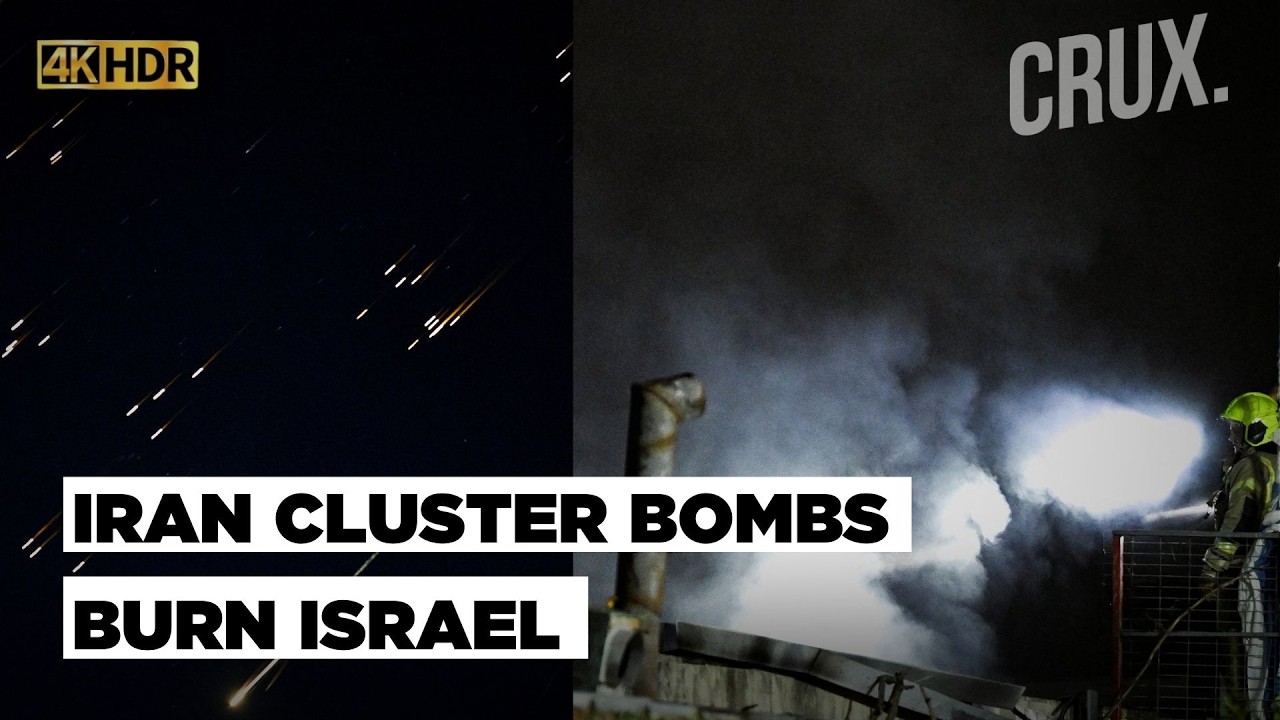
According to a U.S. intelligence assessment from February, reported by CNN, Israel would likely utilize a combination of military aircraft and long-range missiles to target key Iranian facilities. These strikes could be aimed at exploiting Iran’s weakened air defenses—many of which were degraded in Israeli strikes last October.
Still, American analysts are skeptical about the effectiveness of such operations in the absence of U.S. support. Israel lacks the full military capacity to penetrate Iran’s most fortified nuclear sites — some of which are buried deep underground — without American assistance in midair refueling, intelligence coordination, and specialized munitions.
“The U.S. is unlikely to assist Israel unless Iran provokes a dramatic escalation,” CNN reported, citing senior administration officials.
Nevertheless, Israeli sources conveyed to CNN that Israel is prepared to act alone if the U.S. finalizes an agreement that does not dismantle Iran’s enrichment capability.
The specter of an Israeli strike on Iran’s nuclear program carries profound risks for the wider Middle East, where regional tensions remain volatile following the 2023 war in Gaza and Israeli operations against Iranian proxies across the region.
“Such a strike could tip off a broader regional conflict—something the U.S. has worked hard to prevent since the situation in Gaza escalated,” CNN warned.
The intelligence community remains divided on whether a strike is imminent, but the urgency surrounding the issue has reached new heights, particularly as diplomatic progress continues to stall.
As negotiations between Washington and Tehran inch forward under increasingly skeptical eyes, Israel’s military calculus looms ever larger. According to CNN, Netanyahu may ultimately determine that a limited strike — even at the cost of straining ties with Trump — is the only viable way to prevent Iran from reaching nuclear breakout capability.
“It’s a real challenge for Netanyahu,” Panikoff told CNN. “He must balance his government’s security imperatives with the geopolitical risks of acting without U.S. coordination.”
With both diplomacy and deterrence hanging in the balance, the coming weeks may prove decisive — not just for Iran’s nuclear future, but for the strategic posture of the entire region.