














By: Fern Sidman
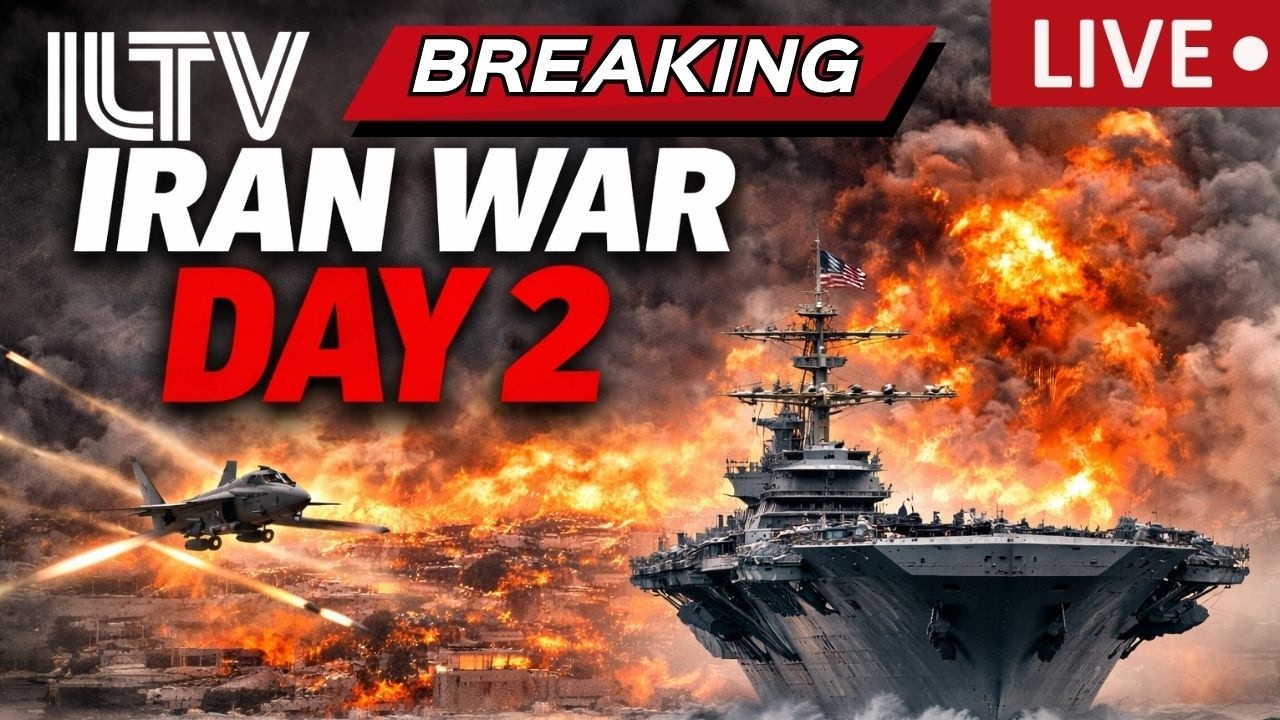
The geopolitical standoff between the United States and Iran has entered an increasingly volatile and perilous phase, as Tehran’s central military command issued a defiant rejection of President Trump’s stark ultimatum to reopen the Strait of Hormuz or face devastating consequences. The exchange of threats—unprecedented in both tone and immediacy—has intensified fears of a broader regional conflagration, with global economic stability and maritime security hanging precariously in the balance.
According to a report on Sunday by Israel National News, the confrontation reached a crescendo on Saturday when Iran’s senior military leadership dismissed Washington’s warning as both illegitimate and irrational, while simultaneously issuing a counter-threat that underscored the gravity of the situation.
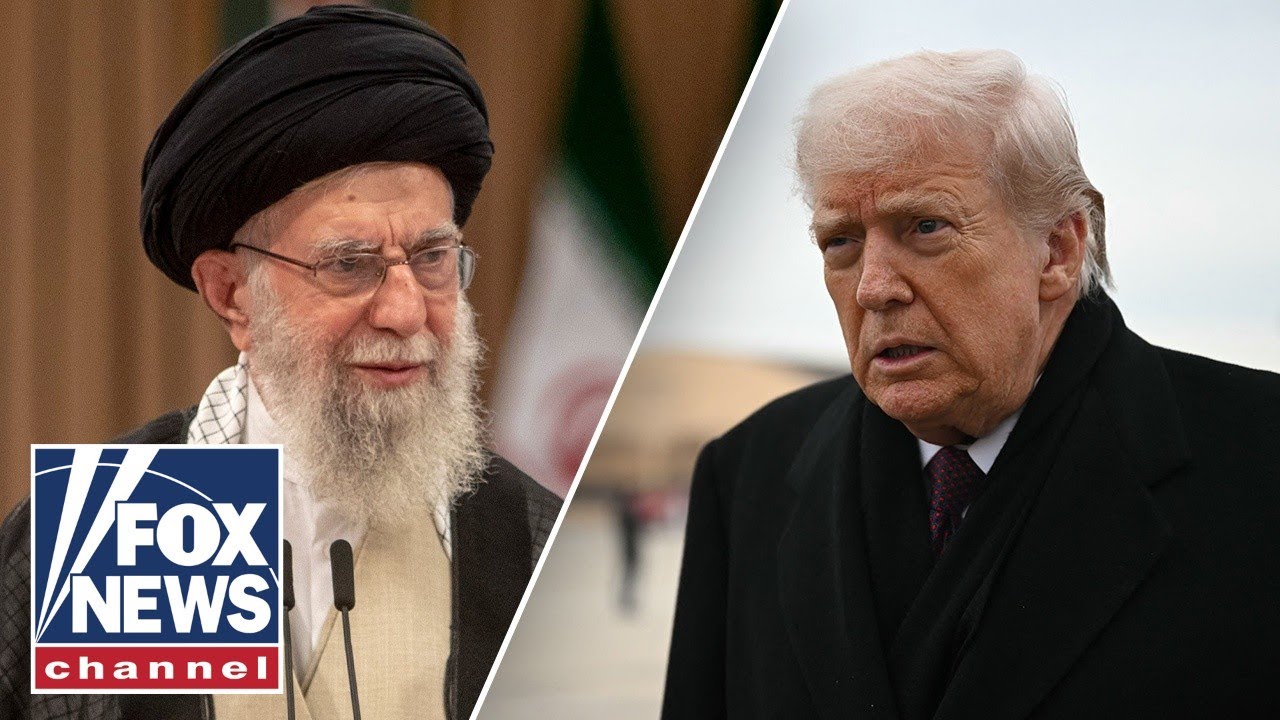
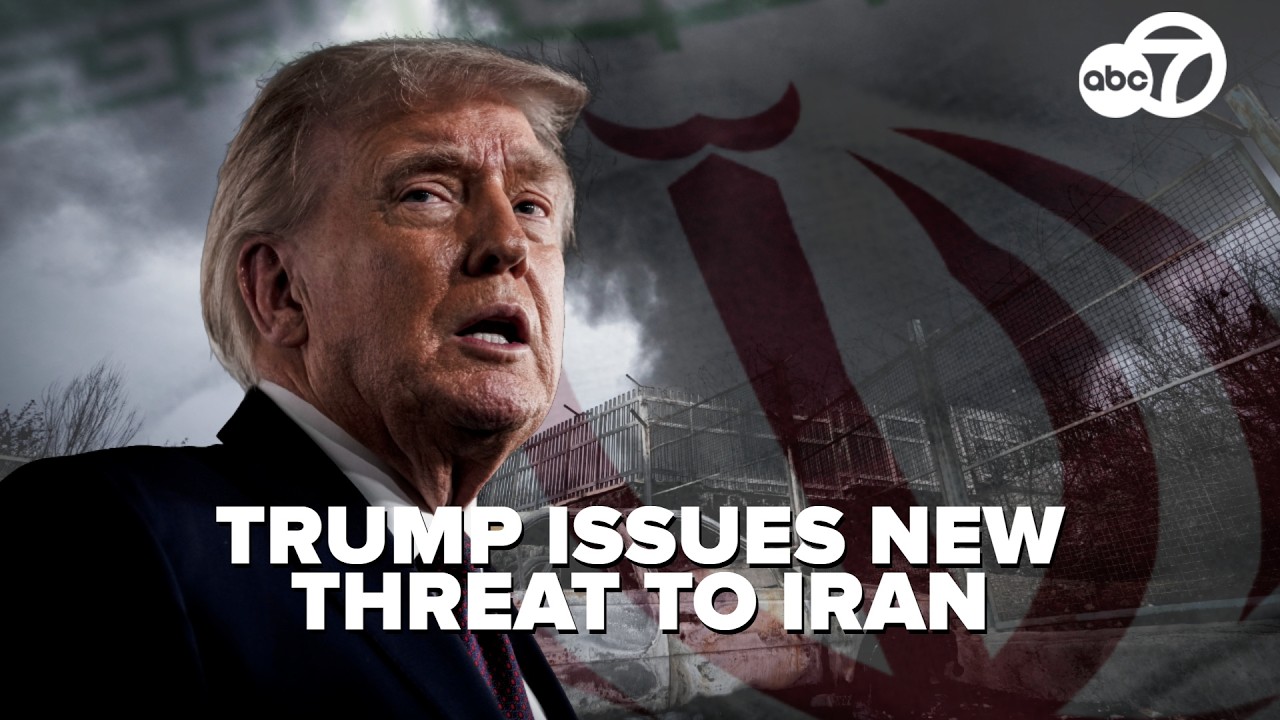
The latest escalation was triggered by President Trump’s sharply worded message, delivered via social media, in which he demanded that Iran reopen the Strait of Hormuz within 48 hours or face overwhelming military retaliation. The president’s language—characteristically blunt and uncompromising—reflected mounting frustration within the administration over Iran’s continued disruption of one of the world’s most critical maritime corridors.
“Time is running out,” Trump warned, invoking the prospect of catastrophic consequences should Tehran fail to comply. As reported by Israel National News, the ultimatum represented a significant intensification of American pressure, transforming what had been a protracted strategic contest into a near-immediate test of resolve.
Iran’s response was swift and unequivocal. General Ali Abdollahi Aliabadi, speaking on behalf of the country’s central military command, dismissed the threat as “helpless, nervous, unbalanced and stupid,” language that mirrored the escalating rhetorical temperature of the confrontation. More ominously, he warned that the consequences of American action would be severe, suggesting that any attempt to coerce Iran would provoke a devastating counter-response.
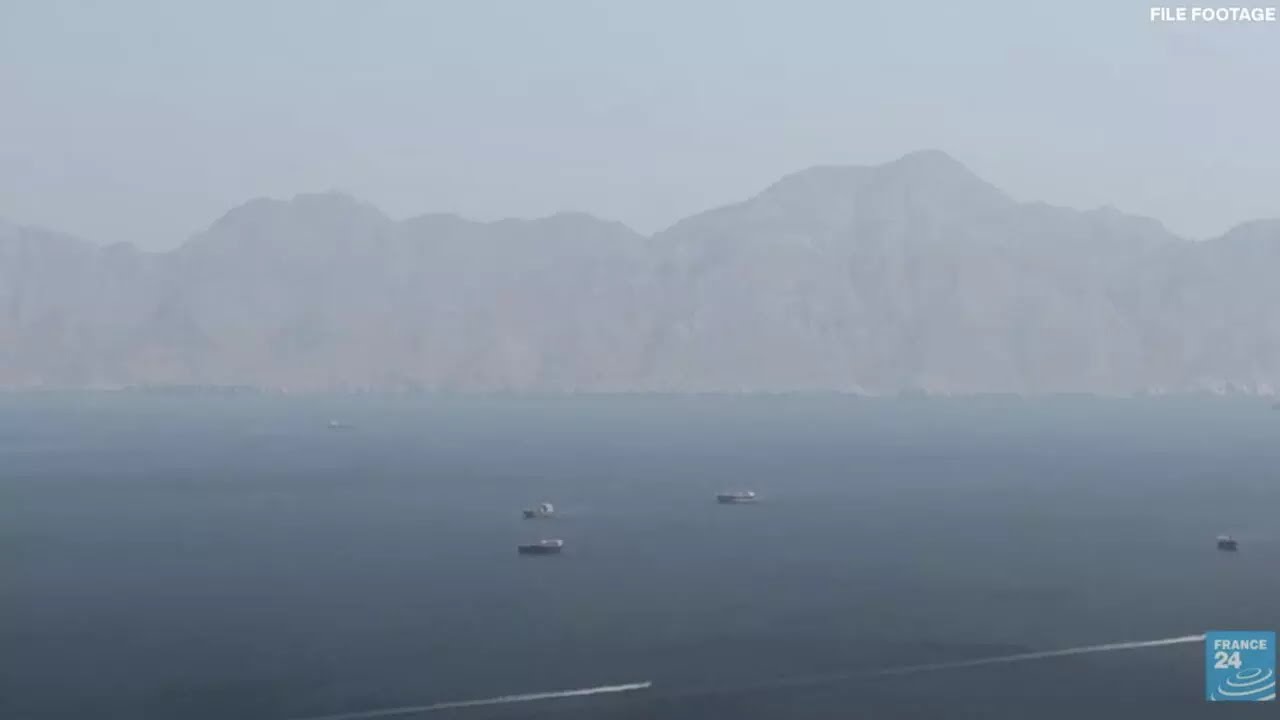
At the heart of the crisis lies the Strait of Hormuz, a narrow yet indispensable waterway through which a substantial portion of the world’s oil supply is transported. Control over this corridor has long been recognized as a critical strategic asset, and its disruption carries immediate and far-reaching implications for global energy markets.
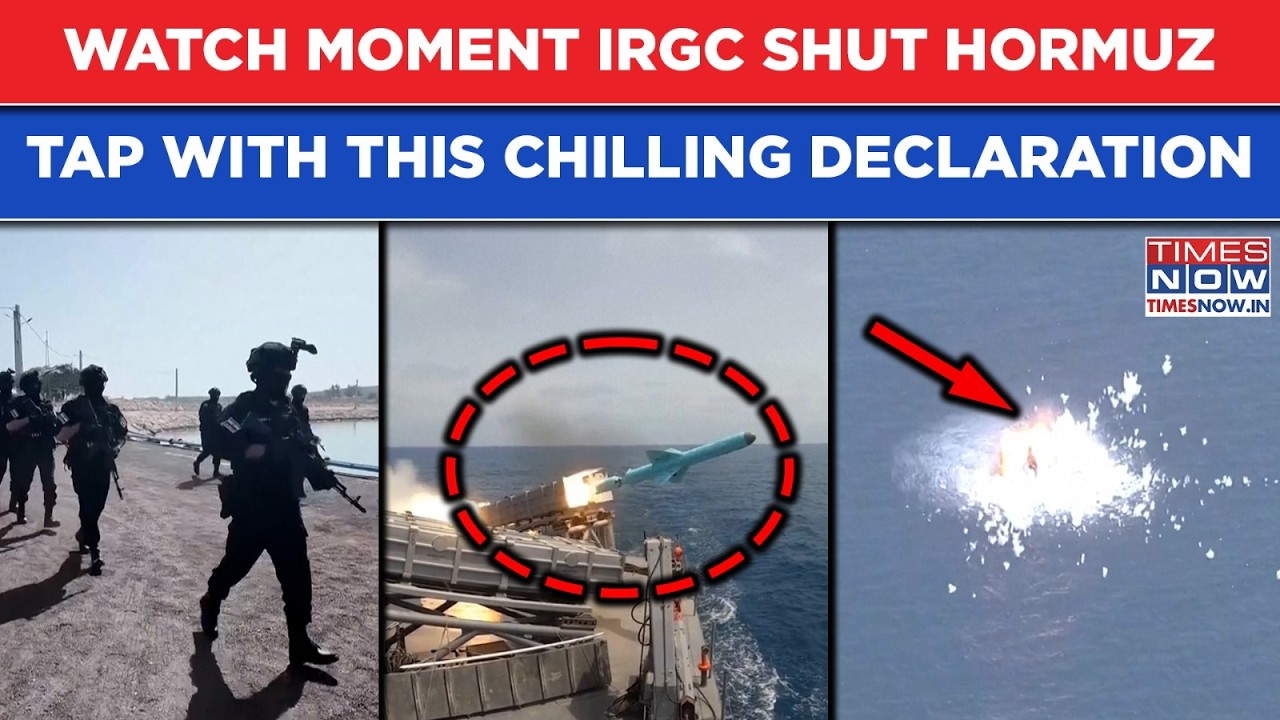
As detailed in the Israel National News report, Iran has effectively transformed the strait into a contested zone. Through a combination of declared closure, threats against commercial shipping, and the deployment of military assets—including fast attack boats, drones, missiles, and naval mines—Tehran has asserted its capacity to impede maritime traffic.
This strategy reflects a broader doctrine of asymmetric warfare, leveraging geographic advantage to offset conventional military disparities. By targeting a vital economic artery, Iran seeks to exert pressure not only on the United States but on the international community as a whole.
Compounding the tension are sharply divergent narratives regarding the possibility of de-escalation. President Trump claimed earlier in the week that Iranian President Masoud Pezeshkian had sought a ceasefire, a development that, if accurate, would suggest a willingness on Tehran’s part to negotiate under pressure.
However, Iranian officials categorically denied the assertion, describing it as “false and baseless.” This contradiction, highlighted repeatedly in coverage by Israel National News, underscores the deep mistrust that continues to undermine diplomatic efforts.
The conditions attached to any potential ceasefire further complicate the situation. Washington has made clear that the reopening of the Strait of Hormuz is a non-negotiable prerequisite, while Tehran insists that the waterway remains firmly under its control and will not be reopened under duress.
In a parallel statement, the Islamic Revolutionary Guard Corps reinforced Iran’s stance, asserting unequivocal authority over the strait. The declaration, cited in the Israel National News report, emphasized that the waterway would not be reopened “through the ridiculous spectacle” of American demands.
This posture reflects both strategic calculation and ideological conviction. The IRGC, long a central pillar of Iran’s military and political structure, has consistently framed its actions as defensive measures against external aggression. By asserting control over Hormuz, it seeks to project strength while deterring further escalation.
The current impasse is characterized by a delicate and increasingly unstable balance between deterrence and provocation. On one hand, the United States has signaled its readiness to employ overwhelming force, framing its ultimatum as a necessary response to threats against global commerce. On the other, Iran has demonstrated both capability and willingness to resist, leveraging its geographic position and asymmetric tactics.
As the Israel National News report observed, the situation is further complicated by the broader context of ongoing hostilities between Israel and Iran, as well as the involvement of regional proxy groups. The convergence of these factors creates a multidimensional conflict in which actions in one theater reverberate across others.
The potential consequences of a sustained disruption to the Strait of Hormuz extend far beyond the immediate participants. Energy markets, already sensitive to geopolitical instability, would likely experience significant volatility, with ripple effects impacting economies worldwide.
Shipping routes, insurance costs, and supply chains would all be affected, underscoring the global stakes of the crisis. For many nations, particularly those heavily dependent on energy imports, the stability of the strait is not merely a strategic concern but an economic necessity.
The rhetoric exchanged between Washington and Tehran suggests that both sides are prepared to endure significant risk in pursuit of their objectives. Yet the margin for error is perilously thin. Miscalculation, miscommunication, or an unintended escalation could rapidly transform the current standoff into a broader conflict with unpredictable consequences.
As emphasized in the Israel National News report, the coming hours and days may prove decisive. The expiration of the 48-hour ultimatum represents not merely a deadline but a potential transformation in the trajectory of the crisis.
In the shadow of escalating threats and mounting uncertainty, the international community watches with growing apprehension. The confrontation between the United States and Iran, centered on the strategic fulcrum of the Strait of Hormuz, has reached a level of intensity that few could have anticipated.
Whether this moment will yield a negotiated resolution or descend into open conflict remains uncertain. What is clear, however, is that the stakes are extraordinarily high—not only for the countries directly involved but for the global order itself.
As the clock ticks toward the expiration of Washington’s ultimatum, the world stands on the precipice, awaiting a decision that could reshape the geopolitical landscape for years to come.