














By: Fern Sidman
In a striking late-night statement that drew attention to his continuing influence over Middle East diplomacy, President Donald Trump on Saturday called on Hamas to immediately return the bodies of hostages killed during the war in Gaza — including two American citizens — warning that “other countries involved in this great peace” could take action if the terror group fails to comply.
As Israel National News reported on Saturday evening, Trump’s message, delivered via social media, came amid rising frustration within Israel’s defense establishment over Hamas’ ongoing refusal to release the remains of captives despite the partial implementation of the “Trump Gaza Framework,” which had secured the release of 20 living hostages earlier this month.
“We have a very strong PEACE in the Middle East, and I believe it has a good chance of being EVERLASTING,” Trump declared. “Hamas is going to have to start returning the bodies of the deceased hostages, including two Americans, quickly, or the other countries involved in this GREAT PEACE will take action.”
The president’s statement — direct, emphatic, and calibrated to project both authority and urgency — marked a new phase in the postwar negotiations now shaping the Gaza landscape. Trump has made it clear that his peace framework, hailed by Israel National News as “the most pragmatic blueprint for regional stability in decades,” depends entirely on Hamas’ compliance with its terms.
“Perhaps it has to do with their disarming,” Trump added, referencing the disarmament clause of the Trump Framework. “But when I said, ‘Both sides would be treated fairly,’ that only applies if they comply with their obligations. Let’s see what they do over the next 48 hours. I am watching this very closely.”
According to the information provided in the Israel National News report, Trump’s warning coincides with a critical impasse: Israel has verified that Hamas can immediately return several bodies, yet the group continues to delay, claiming ignorance of their whereabouts. Intelligence sources dispute this assertion, accusing Hamas of deliberately stalling to gain leverage and prolong the ceasefire without committing to the second stage of the peace plan — the mandatory process of disarmament and demilitarization.
On Friday, Israel National News cited Yedioth Aharonot in reporting that a senior Israeli official confirmed Hamas is “capable of returning the bodies of up to eight more hostages” but has failed to act, even as negotiations enter their most sensitive stage.
“They’re playing games and stalling to prolong the ceasefire even without moving into the second stage, which requires disarmament,” the official said.
The official’s assessment echoes longstanding Israeli intelligence concerns that Hamas is manipulating the humanitarian truce to regain its footing in Gaza. Despite global calls for reconstruction and reconciliation, Israel National News reported that military intelligence now indicates Hamas has used the ceasefire to rebuild its underground infrastructure — including tunnel systems once thought neutralized — and to reorganize its command hierarchy.
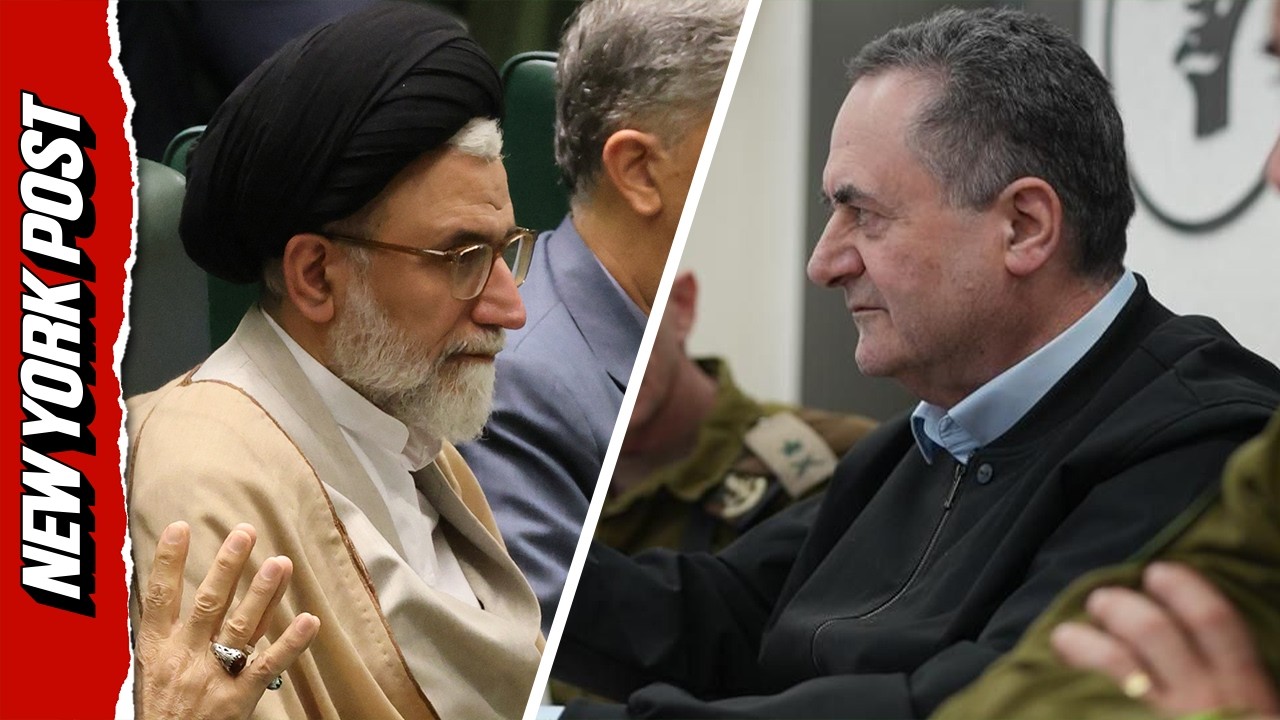
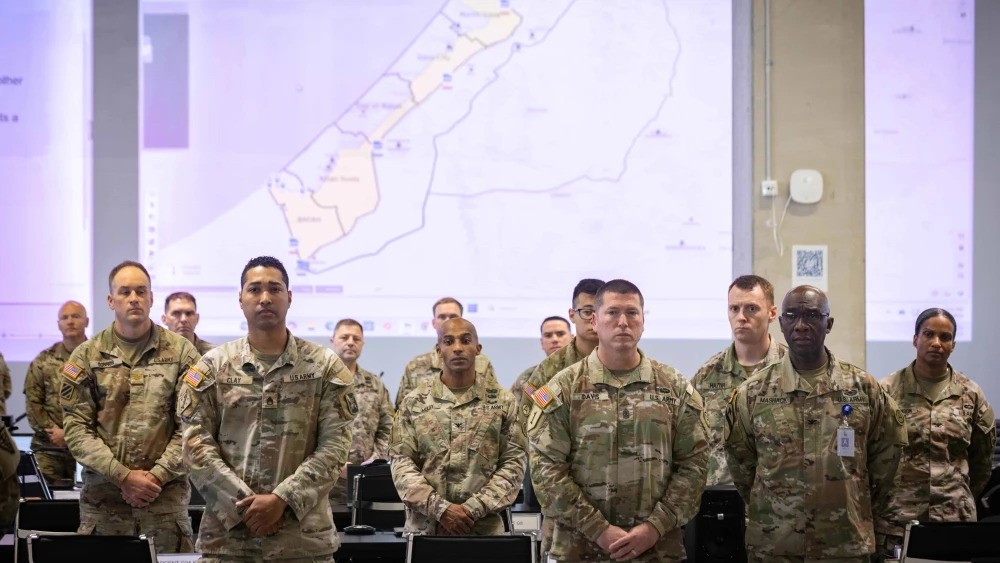
On Thursday morning, Israeli Defense Minister Israel Katz, IDF Chief of Staff Lt. Gen. Eyal Zamir, and senior intelligence officials briefed Vice President JD Vance during a high-level security meeting at the Kirya in Tel Aviv. According to Kan 11 News and corroborated in the Israel National News report, the briefing provided Vance with classified intelligence showing Hamas retains the capability to locate and return at least ten of the thirteen remaining hostage bodies without international assistance.
The report emphasized that the information was comprehensive, based on ground-level intelligence and intercepted communications from within Gaza. The officials made clear that the delay is not logistical but strategic — a calculated attempt by Hamas to leverage humanitarian demands in future diplomatic bargaining.
“Progress under the Trump framework cannot currently proceed until Hamas fulfills its part of the agreement,” an Israeli defense source told Israel National News.
The warning to Washington was unequivocal: the success of the Trump-brokered peace architecture hinges on Hamas demonstrating even minimal good faith. For the U.S. administration, represented in this case by Vice President Vance, the intelligence briefing presented a sobering reality — the obstacles to peace are not infrastructural but ideological.
Trump’s “Gaza Framework” — built on conditional aid, multinational oversight, and eventual demilitarization — has so far produced measurable results, including the release of 20 living hostages and a temporary cessation of rocket fire. But as the Israel National News report observed, “the plan’s sustainability depends on strict compliance and verifiable disarmament, neither of which Hamas has demonstrated.”
Under the framework, Hamas is obligated to release all hostages, including the bodies of the deceased, as a prerequisite for further reconstruction aid and political concessions. The group’s refusal to do so, Israeli officials argue, exposes its intent to subvert the plan entirely.
Defense analysts cited in the Israel National News report note that Hamas’ leadership, while publicly embracing the ceasefire, continues to act as if it were still in wartime command mode. Reports suggest that the group has been reactivating surveillance posts, recruiting new operatives in Khan Yunis and Rafah, and repairing the damaged remnants of its weapons factories.
One senior Israeli intelligence officer told Israel National News that recent satellite imagery revealed “clear signs of reorganization within the Hamas security hierarchy,” an indication that the group “has no intention of relinquishing power voluntarily.”
Vice President Vance’s visit to Tel Aviv underscored Washington’s cautious optimism — and its growing frustration. U.S. officials, according to the Israel National News report, are aware that Hamas’ intransigence undermines not only Israel’s security objectives but also the credibility of the broader Trump peace coalition, which includes Egypt, Jordan, Saudi Arabia, and the United Arab Emirates.
Each of these nations, while supportive of reconstruction in Gaza, has conditioned its involvement on the full disarmament of Hamas and the group’s adherence to the Trump plan’s humanitarian clauses. Trump’s warning that “other countries involved in this GREAT PEACE will take action” was widely interpreted by analysts as a signal that regional actors — particularly Egypt and the UAE — could tighten their enforcement measures or even impose coordinated sanctions.
As the Israel National News report noted, Trump’s language carries significant weight in the region. His insistence that “both sides be treated fairly” mirrors the transactional diplomacy that characterized his administration’s Abraham Accords and his earlier efforts to normalize relations between Israel and Arab states.
While Trump’s supporters describe his peace efforts as “bold and pragmatic,” critics argue that the framework’s success depends too heavily on goodwill from Hamas — an expectation many Israelis view as naïve. Yet as the report in Israel National News highlighted, the current situation reveals Trump’s characteristic blend of pressure and pragmatism: a clear warning that fairness will only extend to those who uphold their commitments.
By setting a 48-hour window for compliance, Trump effectively introduced a test of credibility for Hamas and its regional backers. Should the terror group fail to respond, observers expect renewed diplomatic coordination between Israel, the U.S., and key Arab partners — possibly paving the way for more coercive measures under the peace plan’s enforcement provisions.
One Israeli defense commentator told Israel National News that Trump’s ultimatum was “designed not merely for Hamas but for the international community — a reminder that peace without accountability is an illusion.”
As the clock ticks on Trump’s 48-hour warning, Israeli officials remain publicly restrained but privately resolute. The IDF’s intelligence briefings make clear that Hamas’ continued defiance risks not only the collapse of the ceasefire but also the unraveling of the broader peace initiative that has thus far stabilized large portions of the region.
For families of the hostages — including those of the two Americans referenced in Trump’s statement — the wait has become unbearable. They are caught between the promise of a new regional order and the grim reality that Hamas still controls the fates of their loved ones.
Trump’s demand for immediate action, backed by the weight of international expectations, signals a defining moment in the postwar reconstruction of Gaza and the future of U.S.–Israel cooperation. As the Israel National News report observed, “This is not merely a test of Hamas’ humanity, but of the world’s resolve.”
If Hamas complies, the Trump Framework could emerge as one of the most consequential peace mechanisms of the modern era. If it refuses, the consequences — diplomatic, military, and moral — may reverberate far beyond the borders of Gaza.